The Situation
102 Brookfield had already been through the wringer.
The home was originally listed by another agent, hired on behalf of an out-of-town seller who couldn't be on-site to see what buyers were seeing. The listing photos didn't tell the real story. The home showed as dark, dated, and neglected. It sat. The listing agent asked for a price reduction. The seller agreed. It still didn't sell. A second price reduction was requested.
That's when the seller stopped and said, "Wait a minute."
The Walkthrough
The first move wasn't a pitch. It was a visit. Photos can hide a lot, and they had. Walking the property in person made it obvious why buyers weren't responding:
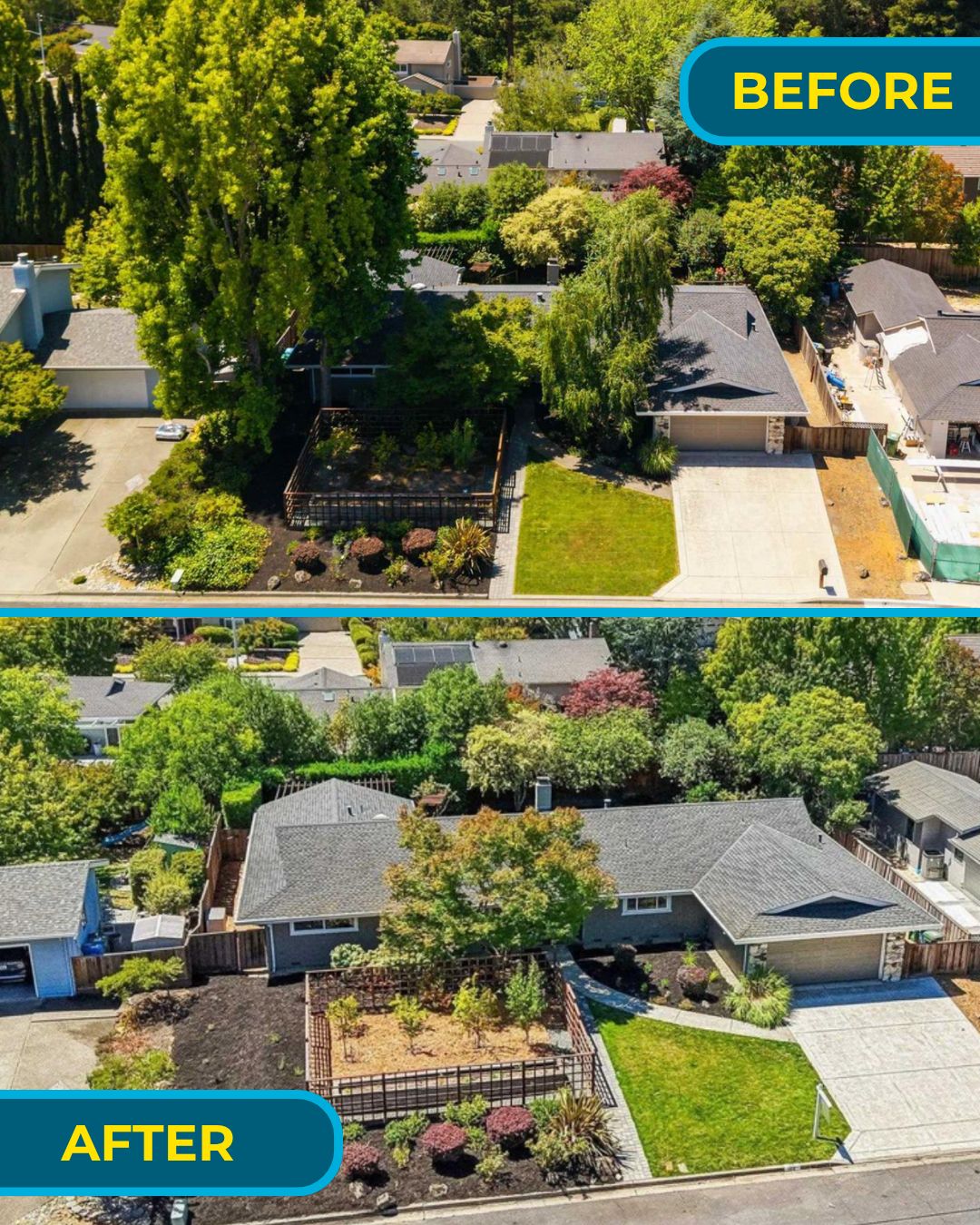
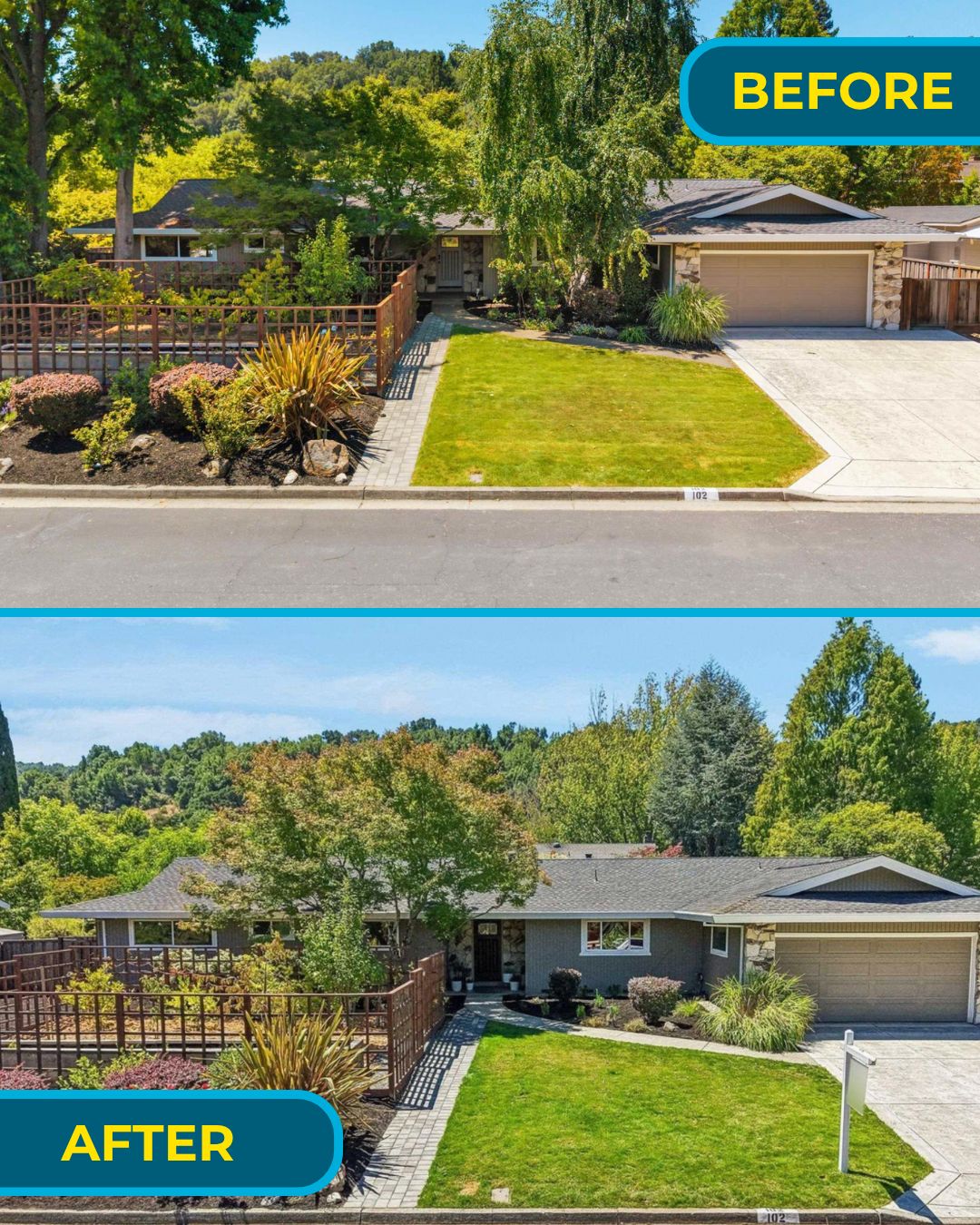
- Overgrown trees on the property were blocking nearly all natural light, leaving rooms feeling more like a cave than a home
- An unfinished garage
- Paint and minor electrical issues that would make a home inspection look far scarier than it needed to
- A 144-page home inspection report from the original listing so long and dense it was practically unreadable, the kind of document that scares off buyers before they've even seen the house
None of it was unfixable. It just hadn't been fixed.
The Plan
Rather than another price cut, BrightWork proposed a different move: fix the actual problems, then relaunch at a higher price.
What got done, in about three weeks:
- Four large trees removed. This was the single biggest impact of the whole project. With the trees gone, the house went from feeling like a cave to bright and welcoming.
- Garage completed and cleaned up.
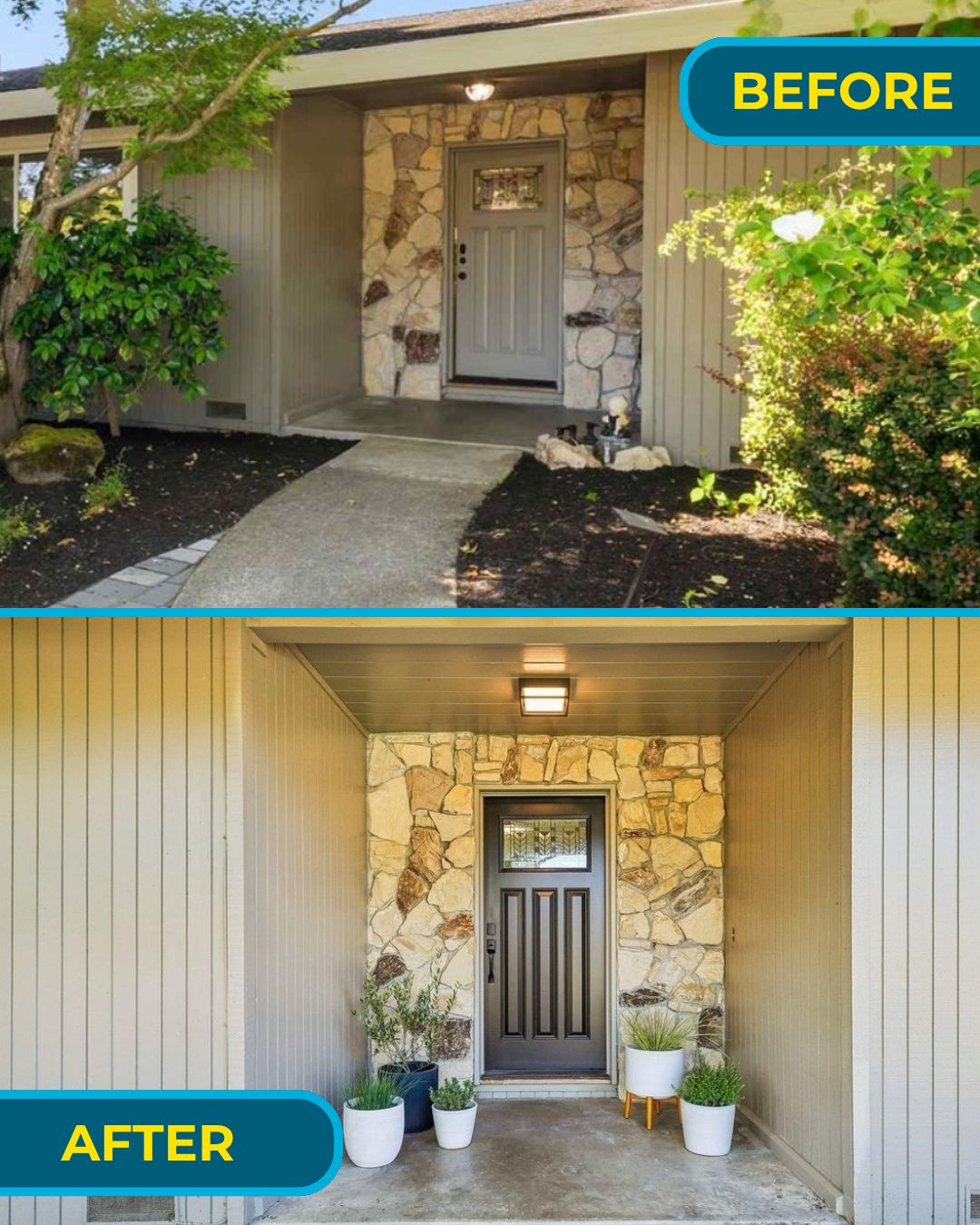
- Targeted paint and electrical work, aimed specifically at the items that make a home inspection read as alarming rather than routine.
- The inspection report itself was reworked. The original 144-page report was condensed into a clear, human-readable format (roughly 35-40 pages, with a proper summary section) and turned into a punch list of repair items for a handyman to knock out before a fresh inspection. A more reasonable, more readable inspector was brought in for the re-inspection.